
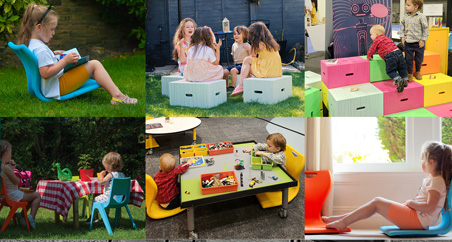


World of Neurodiversity
World of Neurodiversity Features

Improvements for all
Neuro-inclusive design doesn’t ask a learner to become somebody else. It changes what the environment asks of them, and how easily they can participate within it.
4 states of regulation
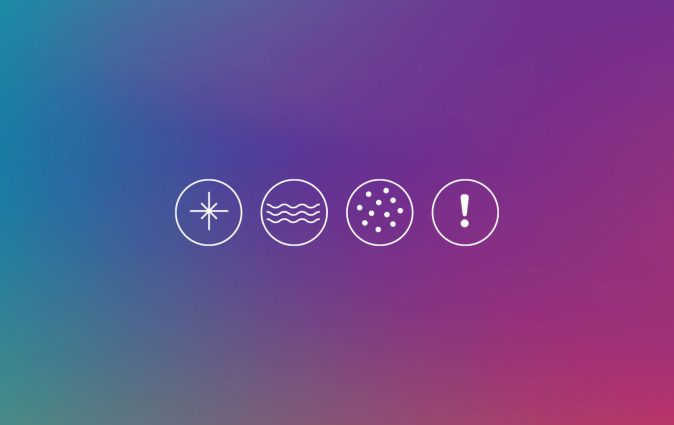
Water can exist in different states: freezing, flowing, fizzing and boiling. We too can find ourselves reflecting these conditions when we move through different mental, emotional and physical states. This shared metaphor helps learners and adults understand what support might be needed, without condemnation.
Freezing state
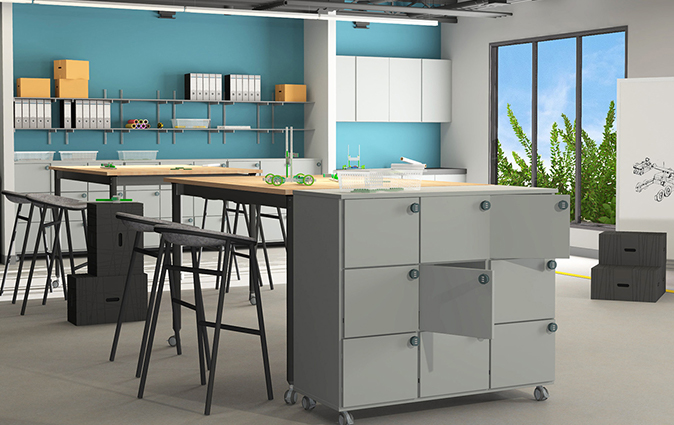
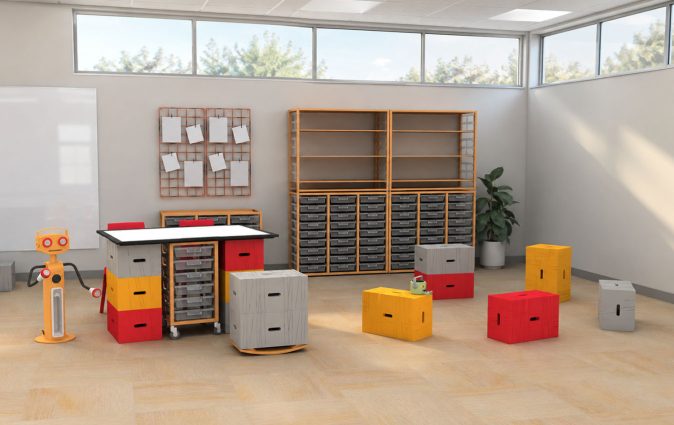
In a state of understimulation, tired, sad, lethargic and disengaged learners can be re-energized to a regulated Flowing State through the right design that can adapt to changing situations. We look to activate with invitation.
Flowing state
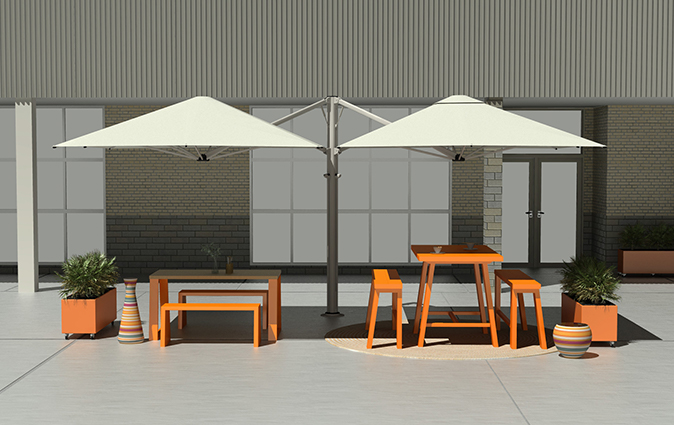
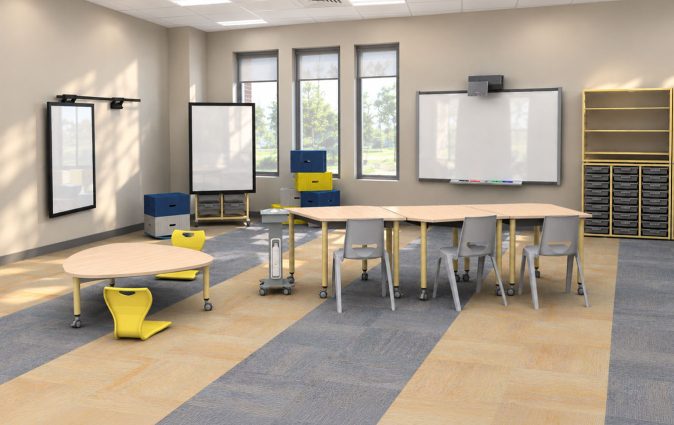
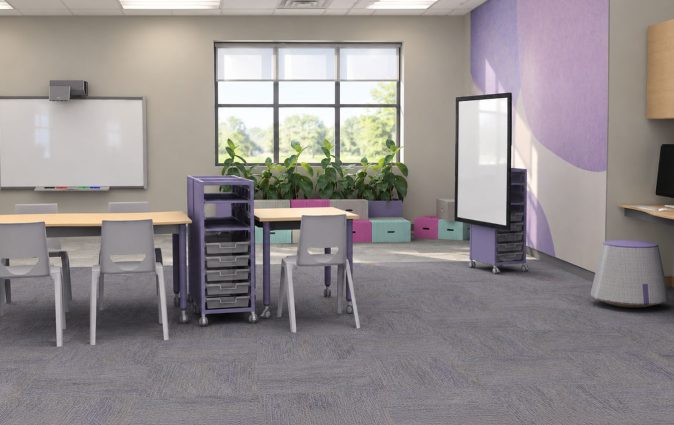
These options provide an ideal environment to help learners stay in this regulated neurological state. The aim is to enable the learning.
Fizzing state
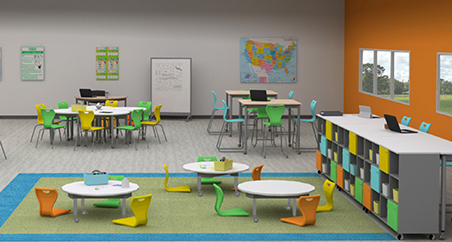
Learning can be difficult when our mind is slightly overstimulated. These solutions can help provide a regulating environment. Here it’s about channelling the energy.
Boiling state
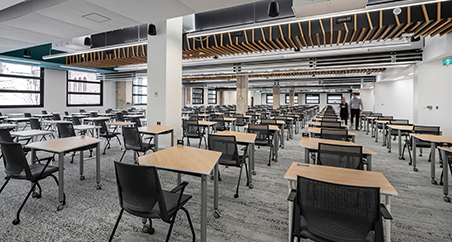
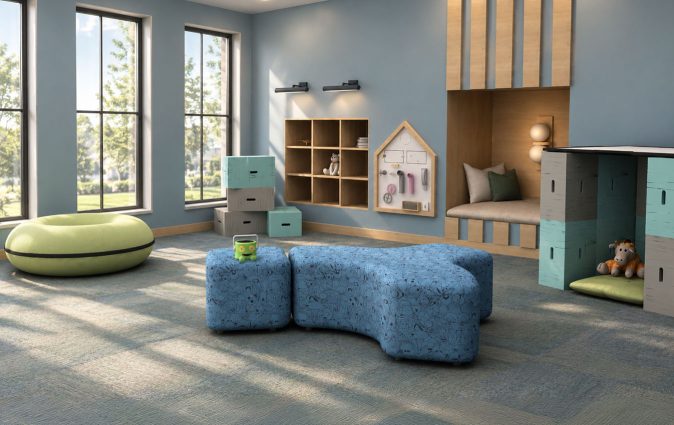
When emotions bubble over and we feel like steam is coming out of our ears, a safe, controlled environment helps to reduce anxiety and regulate our overstimulated minds and bodies. We look to reduce the demand through design.

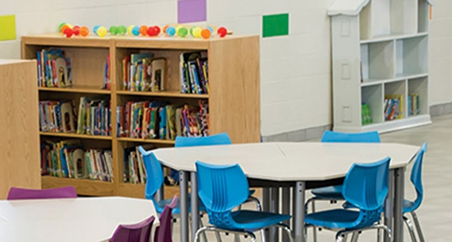
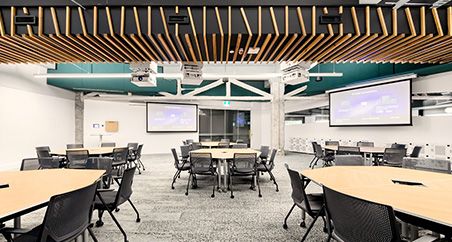
The same classroom. A different experience.
Two people can occupy exactly the same objectively measured environment and experience substantially different worlds. This is why it’s so critical to have the right design thinking applied at the outset, because when you combine products that have the ability to adapt, with design that understands the needs of a child, we will create learning environments that benefit everyone, including the educators.
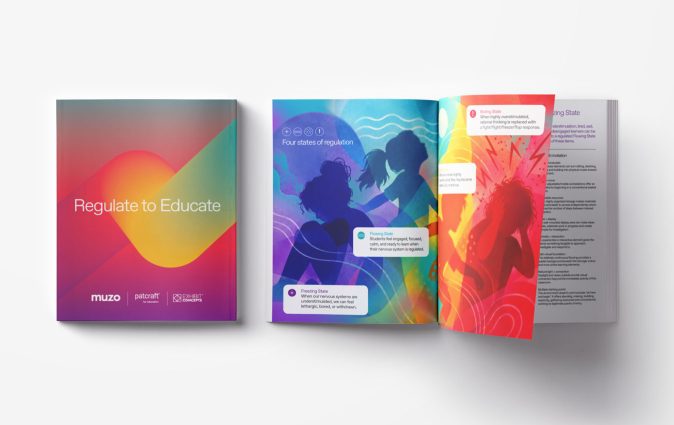
Regulate to Educate PDF
Click here to view and download our Regulate to Educate brochure. It contains an in depth look at the 4 states of regulation, and 4 ways of approaching this through forward-thinking design. click to view PDF
"We all move through different states.
What if our learning environments
could move with us?"


